


Why Does Water Taste Different? pH, Minerals & Filtration Explained
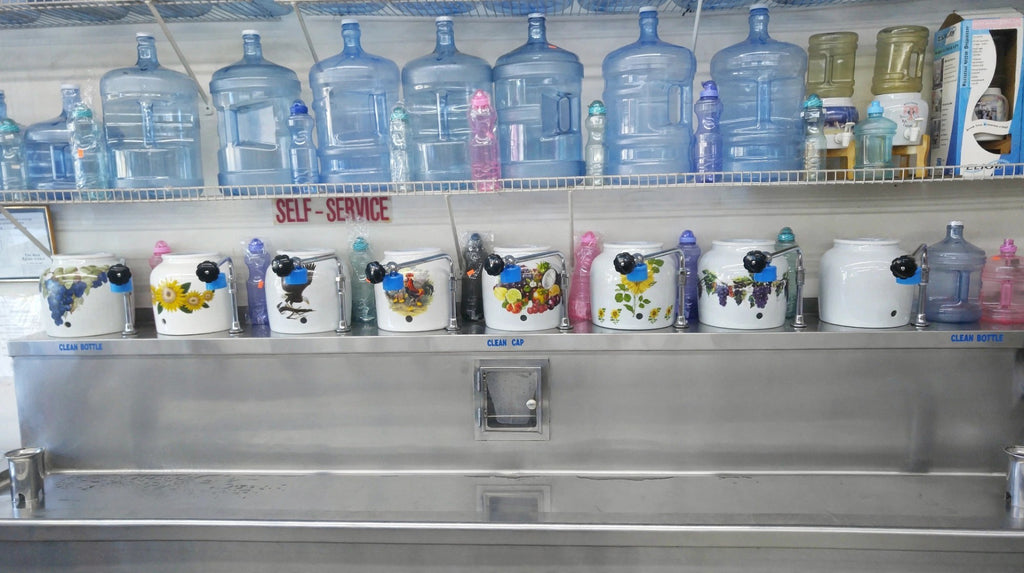
Fill two clear glasses from two different sources, take a sip of each, and the difference is hard to miss. One tastes smooth and clean. The other tastes flat, sharp, or a little like a swimming pool. Same simple drink — so why does water taste different from place to place, and even from jug to jug?
Quick answer: Water tastes different because of its pH, the minerals dissolved in it, how it was filtered, and how it is stored and served. Higher-pH alkaline water is known for a smooth taste, while purified water tastes clean and neutral. You can compare both at The Best Alkaline Water & More in Pomona.
At our Pomona store, customers tell us about taste more than anything else. Taste is personal, but it is not mysterious. Once you understand the handful of things that shape it — pH, minerals, filtration, temperature, and storage — you can choose water you genuinely enjoy drinking, which makes staying hydrated a lot easier.
The Best Alkaline Water & More | 810 E Mission Blvd, Pomona, CA 91766 | (909) 764-8044 | Open daily 9am–7pm.
What makes water taste different in the first place?
Water in your glass is never just water. As it moves through pipes, soil, rock, and treatment systems, it picks up tiny amounts of minerals and other dissolved substances. Your taste buds notice those small differences, along with temperature and even what you ate or drank before the sip.
That is why water can taste different in Pomona than on a trip to another city, and why two refill options side by side can have their own character. Taste is information — it tells you something about pH, mineral balance, filtration, and freshness.
How does pH change the taste of water?
pH is a scale from 0 to 14: 7 is neutral, below 7 is more acidic, and above 7 is more alkaline.
In drinking water, small pH differences can change how a sip feels:
- Lower-pH water can taste a little sharper, brighter, or slightly sour to sensitive palates.
- Neutral water around pH 7 is what most people think of as plain, everyday water.
- Higher-pH alkaline water is often described as smoother, softer, and rounder, with less bite at the finish.
That smooth taste is why many customers choose alkaline water for everyday drinking and hydration — they simply like how it tastes in a full glass. For fuller background, our pillar guide to alkaline water in Pomona explains refills and bottles.
What role do minerals play in how water tastes?
Minerals are a big part of the story. Water naturally dissolves small amounts of minerals as it travels, and different mineral balances create different flavors:
- Calcium and magnesium are often associated with a fuller, sometimes slightly firm or “hard water” taste.
- Sodium can add a faint salty note when present in higher amounts.
- Bicarbonates can soften acidity and influence that smooth, alkaline impression.
- Very low-mineral water can taste light, clean, or — to some people — a little flat, because there is less in the glass to give it body.
Neither extreme is right for everyone. Water with a noticeable mineral character can taste rich to one person and heavy to another, while very low-mineral water can feel refreshingly clean or a little flat. A side-by-side taste test is worth more than any description — your own palate is the final judge.
Why does tap water sometimes taste like chlorine?
Many people in our area describe the same tap-water notes: a chlorine-like taste, a slightly earthy smell, or a flavor that changes with the season or the time of day. Municipal water is treated to make it safe to deliver through a large system of pipes, and treatment and travel through plumbing can both leave flavors that some drinkers notice more than others.
The same tap can taste stronger in a warm glass or after water has sat in household pipes overnight. Chilling it and keeping it in a clean, sealed container can help — but many customers simply prefer the cleaner, more neutral taste of filtered, purified refills for daily drinking.
How does filtration change the taste of water?
Filtration is about removing the flavors you do not want so water tastes clean and consistent: reducing off-flavors and odors, including that chlorine-like note, and producing a balanced glass that tastes the same from one refill to the next.
At a refill station, you are choosing a specific water — alkaline or purified — made for drinking. Our guide to how a water refill station works walks through the bring-or-buy process, the refill steps, and what a first visit looks like.
Here is a simple comparison of the choices most customers ask us about:
| Water | How people usually describe the taste | A common reason people choose it |
|---|---|---|
| Alkaline water | Smooth, soft, rounded | Higher pH and smooth taste for everyday drinking and hydration |
| Purified water | Clean, light, neutral | A straightforward filtered taste with no strong character of its own |
| Unfiltered tap water | Varies by place and day; sometimes chlorine-like or earthy | Convenience at home |
For a deeper side-by-side, read our guide to alkaline vs. purified water — it explains pH and filtration in plain English and helps you decide which to try first.
Can temperature, storage, and your bottle change the taste?
Yes — sometimes more than people expect. Even the same water can taste different depending on how it is handled after filling:
- Temperature: Cold water usually tastes crisper and more refreshing, and chilling softens many off-notes. Warm water tends to taste flatter and makes any chlorine or stale flavor easier to notice.
- Storage: Keep filled jugs sealed, in a cool, dark place, and use the oldest fill first. Sunlight, heat, and an open cap can all dull fresh taste.
- Your container: A jug that is not cleaned between refills can carry flavors from the last fill — or from whatever was stored near it. Rinse and clean bottles and caps regularly, and let them dry before refilling.
- Your palate: Coffee, spicy food, or toothpaste right before a sip will change how water tastes. For a fair test, try each water on its own, at the same temperature.
These small habits protect the taste you started with, so a well-stored jug stays fresh-tasting all week.
How can you do a fair taste test at home?
A simple, honest taste test takes five minutes:
- Chill both waters to the same temperature — ideally in identical, clean glasses or bottles.
- Label the bottoms, not the sides, so you can taste without deciding in advance which one should win.
- Take a plain sip of each, with a bite of an unsalted cracker or a sip of neutral water in between if you like.
- Notice three things: the first impression, how smooth or sharp it feels, and the aftertaste a few seconds later.
- Try the winner again the next morning. The water you happily drink first thing, day after day, is the right everyday choice for you.
Many households land on a split decision, and that is fine — a 1-gallon bottle of each in the fridge is a common setup. We sell bottles and jugs in 5-gallon, 3-gallon, and 1-gallon sizes, and you do not need to bring your own to get started.
Which water should you choose if taste is your priority?
Start with how you like a glass to feel. If you want the smoothest, softest sip, start with alkaline water. If you want the most neutral, clean slate — a taste that gets out of the way — start with purified water. If you are not sure, start with one small bottle of each rather than a big jug of either. A 1-gallon bottle of each is an inexpensive way to let your whole household vote over a few days.
Most customers choose their everyday drinking water purely by taste, because that is the glass they will reach for most often. Enjoying the taste supports the simple habit that matters most: drinking water regularly and staying hydrated.
Frequently asked questions
Why does water taste different in different places?
Water tastes different because pH, dissolved minerals, treatment, pipes, temperature, and storage all vary from place to place. Water in one city may taste smooth and neutral, while water elsewhere can taste more mineral-heavy, earthy, or chlorine-like. Those small differences are normal, and your own palate decides which you prefer.
Does higher-pH water taste better?
Many people find that higher-pH alkaline water tastes smoother and softer, which is why they choose it for everyday drinking and hydration. “Better,” though, is personal — some drinkers prefer the clean, neutral taste of purified water. A side-by-side taste test at the same temperature is the surest way to decide.
What is the difference between alkaline and purified water taste?
At The Best Alkaline Water & More in Pomona, customers usually describe alkaline water as smooth and rounded because of its higher pH, and purified water as clean, light, and neutral after filtration. Both are available for refills at 810 E Mission Blvd, Pomona, and you can try a small bottle of each first.
Why does my bottled or jug water taste stale sometimes?
Jug water can taste stale when it is stored warm, left unsealed, kept too long, or poured from a bottle that was not cleaned between refills. Store filled jugs sealed in a cool, dark place, clean bottles and caps regularly, and rotate so you use the oldest fill first.
Do I need to bring my own bottle to try alkaline and purified water?
No. The Best Alkaline Water & More sells new bottles and jugs in store in 5-gallon, 3-gallon, and 1-gallon sizes, so you can start empty-handed on your first visit. The store at 810 E Mission Blvd, Pomona, CA 91766 is open daily 9am–7pm; call (909) 764-8044 with questions.
What else does the store sell besides water refills?
Along with alkaline and purified water refills, the store sells ice, snacks, ice cream, T-shirts, and everyday convenience items. It sits at 810 E Mission Blvd in Pomona, right next to Casa Laundry, and serves a 10-mile radius including Claremont, La Verne, San Dimas, Montclair, Chino, Chino Hills, Diamond Bar, Walnut, Covina, and Phillips Ranch.
Taste both, then trust your palate
Water taste comes down to a short list — pH, minerals, filtration, temperature, and storage — and one personal verdict: yours. Understanding the “why” helps, but the deciding test is still a simple sip of each, side by side, at the same temperature.
Ready to find your favorite? Visit The Best Alkaline Water & More at 810 E Mission Blvd, Pomona, CA 91766 — open daily 9am–7pm, next to Casa Laundry. Call (909) 764-8044 with questions, pick up a bottle of alkaline and a bottle of purified, and let your household cast the deciding vote.
-
Posted in
alkaline water, pH, pomona, purified water, water taste

